No. 03  ·  Conditions

The conditions we actually treat.

Most of what we see has been dismissed somewhere else as "just aging." It usually isn't. Below: the full library, with honest notes on which require treatment and which can be watched.

01Varicose Veins
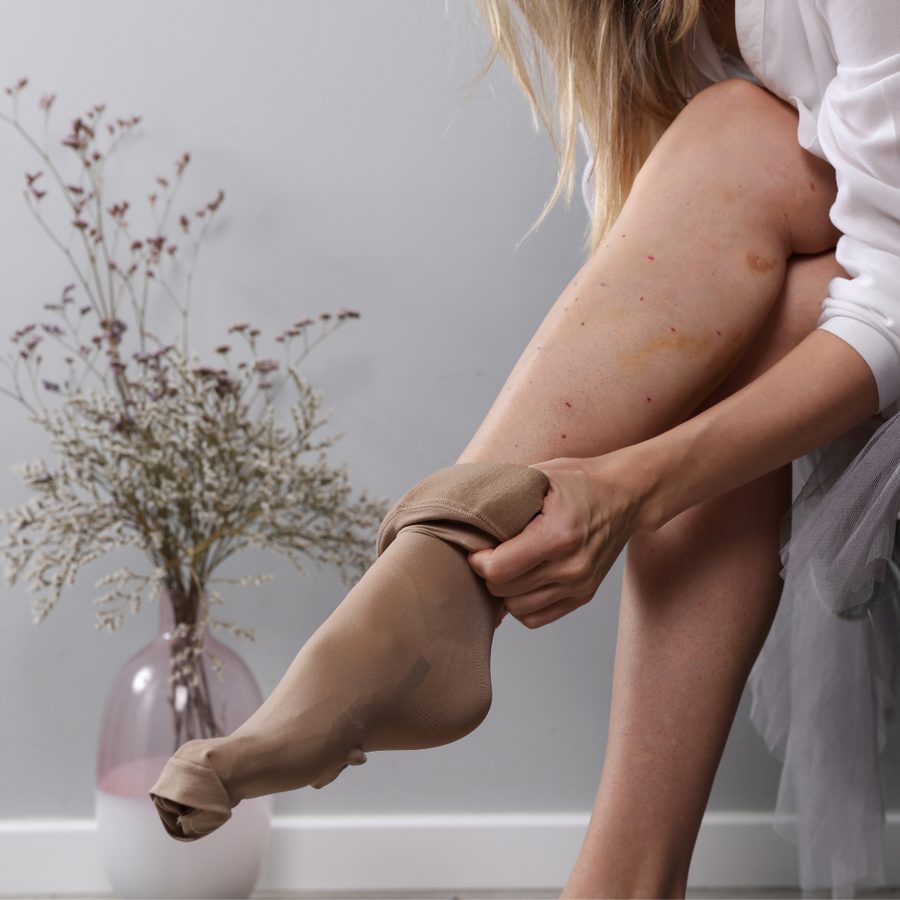
Graduated compression stocking for varicose vein care.

Varicose Veins

Twisted, rope-like veins — typically in the legs.

Caused by failing one-way valves inside the vein, which let blood pool. Often runs in families. Beyond cosmetic concern, varicose veins can cause aching, heaviness, swelling, and skin changes if left untreated. Treatment is minimally invasive and most often medically necessary — which means insurance commonly covers it.

Common symptoms

  • Visible bulging veins
  • Aching or heaviness
  • Night-time leg cramps
  • Swelling at the ankles
  • Itching over the vein

How we evaluate

  • Free 20-min screening visit
  • Diagnostic ultrasound (the actual diagnosis)
  • Written plan with insurance estimate
A diagnostic ultrasound is the only way to confirm reflux. Visual inspection alone isn't enough.
02Spider Veins
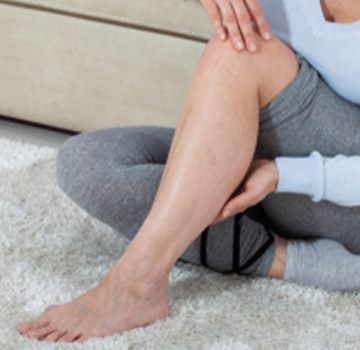
Spider veins on the leg surface.

Spider Veins

Fine, web-like surface vessels.

Small dilated capillaries close to the skin's surface — usually red, purple, or blue. Often cosmetic, but in some patients they signal deeper venous insufficiency. We evaluate every patient for underlying reflux before treating surface vessels — otherwise, the spider veins return.

Where they appear

  • Thighs and calves
  • Behind the knees
  • Around the ankles
  • Occasionally on the face

How we treat

  • Sclerotherapy (small injections)
  • Treat underlying reflux first if present
03Restless Leg Syndrome
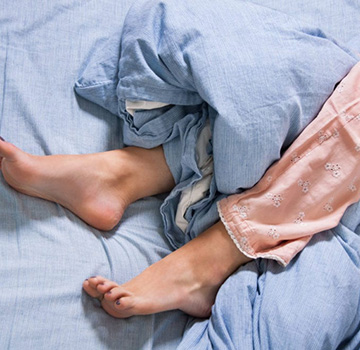
Restless leg syndrome — often traced to vein reflux.

Restless Leg Syndrome

The urge to move at rest — frequently traced to vein reflux.

Many cases of restless legs have a venous component. When valves are leaking, the pooled blood and inflammatory mediators can produce that classic creeping, crawling urge — especially at night. A vein evaluation is worth pursuing before adding medication.

Tell-tale signs

  • Urge to move legs when still
  • Worse at night, better with motion
  • Sleep disruption
  • Relief when walking

What we look for

  • Underlying venous reflux on ultrasound
  • Symptom diary correlation
04Chronic Venous Insufficiency

Chronic Venous Insufficiency

The umbrella diagnosis behind most adult leg-vein symptoms.

When the deeper venous system can no longer move blood back to the heart efficiently, pressure builds in the legs. The result: heaviness, swelling, skin discoloration, and eventually ulceration. Treatable. Often missed.

Symptoms

  • Persistent leg swelling
  • End-of-day heaviness
  • Skin browning around the ankles
  • Slow-healing wounds near the ankle

What helps

  • Ablation of refluxing veins
  • Graduated compression
  • Activity & weight management
Often misattributed to age. Don't accept it.
05DVT Awareness

Deep Vein Thrombosis — Awareness & Follow-up

We do not treat acute DVT — but we help after.

Acute DVT is an emergency requiring hospital evaluation. We do help patients with prior DVT manage residual venous disease and reduce recurrence with appropriate follow-up venous care.

If you suspect DVT

  • Sudden one-sided leg swelling
  • Warmth and redness
  • Pain in the calf
  • Go to an emergency room immediately

After a DVT

  • Residual reflux evaluation
  • Long-term compression strategy
  • Risk-reduction follow-up
Follow-up venous care after a DVT is critical and often overlooked.
06Venous Leg Ulcers

Venous Leg Ulcers

Slow-healing wounds caused by long-standing vein pressure.

Sores that open just above the ankle and refuse to close are usually caused by underlying venous reflux. Treating the reflux is what allows them to heal — and stay healed.

Signs it's venous

  • Wound near the inside ankle
  • Surrounding skin is brown or hardened
  • Wound returns after each healing attempt

How we treat

  • Identify and close the refluxing vein
  • Compression as part of healing
  • Coordinated wound care
07Cellulitis

Cellulitis

Recurrent skin infection of the lower leg.

Repeated bouts of cellulitis in the lower leg are frequently driven by chronic venous disease and the swelling it causes. When the underlying vein problem goes untreated, the infections tend to return. Addressing the reflux and controlling the swelling reduces how often cellulitis comes back.

What to watch for

  • Red, warm, tender skin on the lower leg
  • Swelling that precedes the redness
  • Repeated episodes in the same leg

Our role

  • Identify underlying venous disease
  • Reduce chronic swelling
  • Coordinate care to lower recurrence
Acute infection needs prompt medical treatment — we focus on the venous cause behind the repeats.
08Mixed Swelling & Lymphedema

Lymphedema & Mixed Swelling

When swelling is more than venous alone.

Some patients have a mixed picture — venous reflux layered over lymphatic dysfunction. We help untangle which is which, and which is treatable in our office vs. through a lymphedema specialist.

What we look at

  • Foot & toe involvement
  • Pitting vs. non-pitting
  • Skin texture changes

Our role

  • Diagnose the venous portion
  • Treat what we can
  • Refer cleanly when appropriate
An accurate diagnosis is more important than a fast one.

Not sure if what you're feeling is "a vein thing"?

That's exactly what the free screening is for. We tell you honestly whether further workup is warranted — or whether your symptoms have a different source.